Average grass removal cost: about $0.50–$1.20 per sq ft. A typical 1,000 sq ft yard often costs $500–$2,000 with labor + disposal.
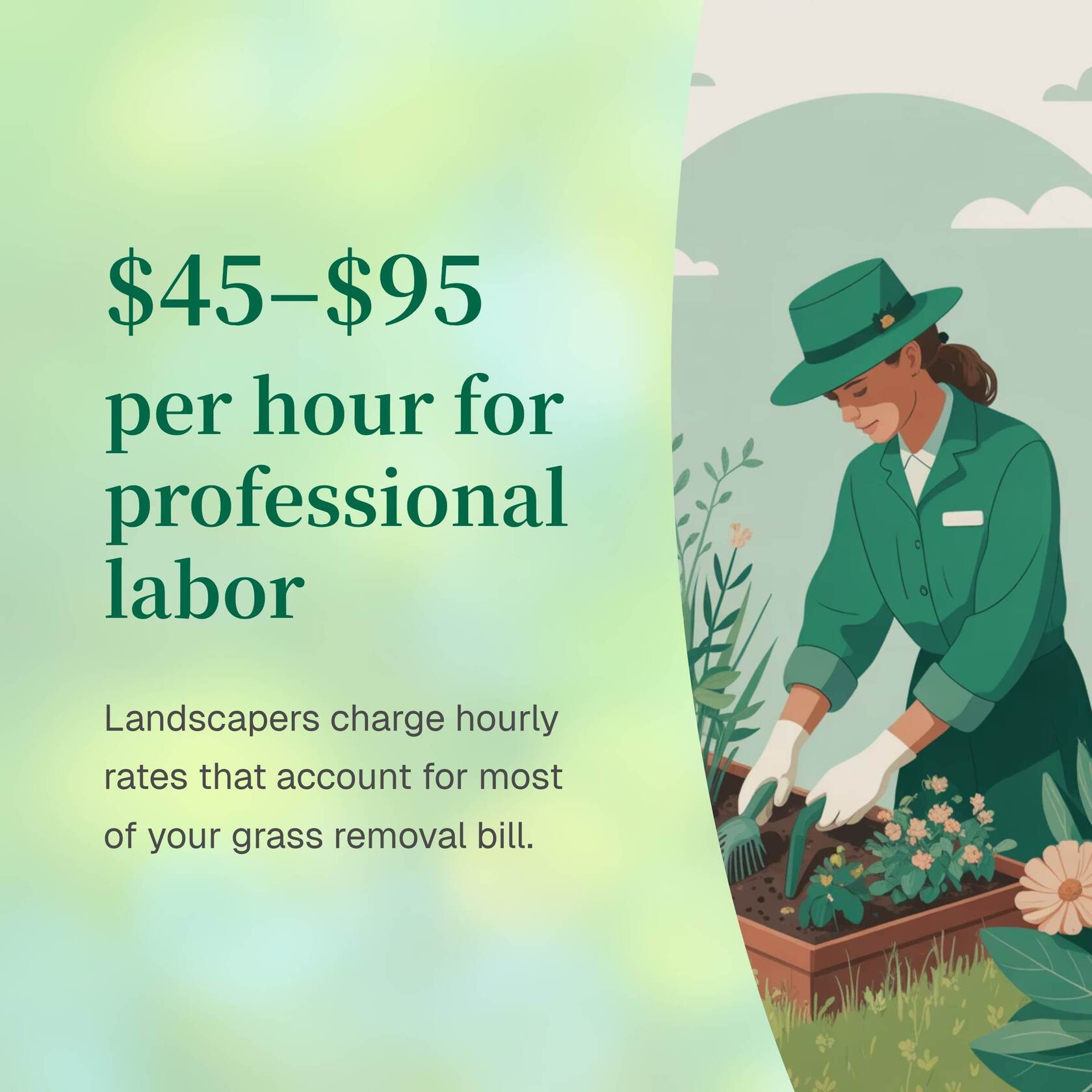
Labor is the main driver: pros commonly charge around $45–$95 per hour, so bigger yards get expensive fast.
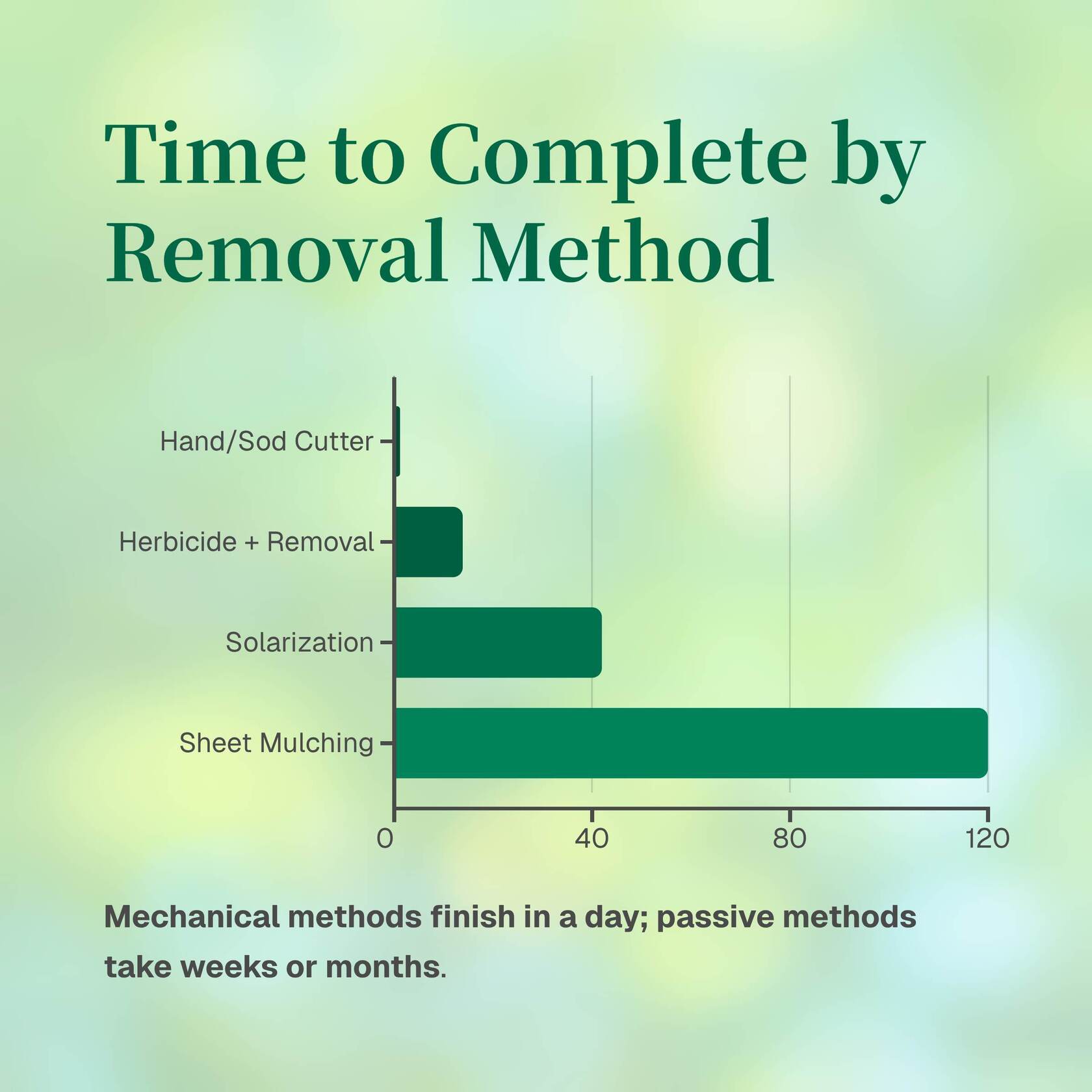
Your method controls price + timeline: sod cutting is fast (same day) but labor-heavy; herbicide is cheaper upfront but slower; sheet mulching takes months; solarization is low-cost but takes weeks.
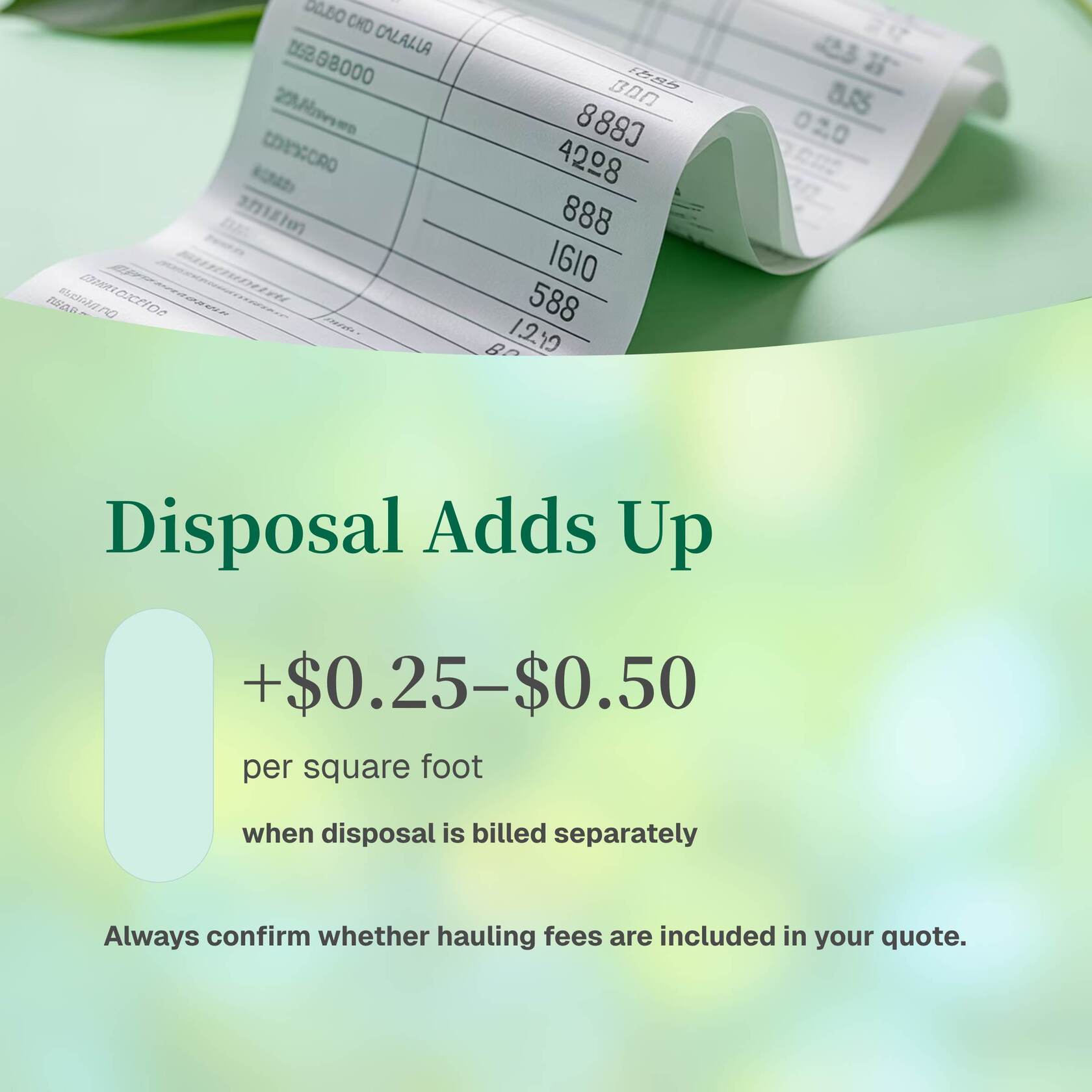
Expect add-ons: disposal can be included or separate, and access issues (tight gates, slopes, obstacles) can push you toward the high end.
Ways to pay less: get 3–5 quotes, DIY small sections, and check for turf removal rebates before you start.
Budget for what’s next: new sod after removal can run about $1.50–$4.00 per sq ft including prep and install.
Quick estimate: (square feet) × ($0.50–$1.20) = a solid starting range before access + disposal.
Grass Removal Cost in 2026: Pricing by Yard Size and Method
Grass removal costs between $0.50 and $1.20 per square foot on average. For a typical 1,000 square foot yard, expect to pay $500 to $2,000 for professional removal including labor and disposal. The final price depends on your removal method, yard accessibility, and local labor rates.
Whether you're replacing an old lawn, converting to xeriscaping, or preparing for a landscaping project, understanding these costs upfront helps you budget accurately and avoid surprises.
How Much Does Grass Removal Cost by Yard Size?
Labor drives most of the expense.
Professional landscapers typically charge $45 to $95 per hour to dig out turf, and larger yards require more time.
Here's what to expect based on the area you need cleared:
Lawn Area
Typical Cost (USD)
100 sq ft (small garden bed)
$50 – $200
500 sq ft (small yard)
$250 – $1,000
1,000 sq ft (average yard)
$500 – $2,000
5,000 sq ft (large yard)
$2,500 – $10,000
These estimates include hauling away the removed sod. When disposal is factored in separately, sod removal runs $0.50 to $2.00 per square foot.
Larger or hard-to-access lawns tend toward the higher end of these ranges.
Grass Removal Methods and Their Costs
The method you choose significantly impacts both cost and timeline. Here's how the main options compare.
Manual Removal with Shovels or Sod Cutters
This is the most common professional approach. Landscapers use flat shovels or walk-behind sod cutters to strip the grass and roots in sections.
Professional labor runs $45 to $95 per hour. A small job often totals a few hundred dollars.
If you want to DIY, renting a self-propelled sod cutter (12-inch width) costs roughly $100 to $120 per day. Manual sod cutters rent for $20 to $30 per day.
Herbicide Treatment
Applying glyphosate kills the grass over one to two weeks. Professional application costs $40 to $200 per treatment.
The catch: you'll likely still need to remove the dead turf afterward, which adds to total project costs.
Sheet Mulching
Also called "lasagna gardening," this method smothers grass by layering cardboard and mulch over the lawn. The grass decomposes over several months.
Sheet mulching costs approximately $0.70 to $1.20 per square foot for materials and labor.
Solarization
Covering your lawn with heavy clear plastic heats the soil and kills the grass over four to eight weeks during warm months.
This is the cheapest option at roughly $0.10 per square foot (just the cost of plastic). However, the extended timeline doesn't work for everyone.
Cost Comparison by Method
Method
Typical Cost
Timeline
Hand/shovel labor
$45 – $95 per hour
Same day
Sod cutter rental
$100 – $120 per day
Same day
Herbicide application
$40 – $200 per visit
1–2 weeks
Sheet mulching
$0.70 – $1.20 per sq ft
2–6 months
Solarization
~$0.10 per sq ft
4–8 weeks
What Affects Grass Removal Costs?
Beyond yard size and method, several factors can push your costs higher.
Yard slope and obstacles. Trees, rocks, sprinkler heads, and uneven terrain all add labor time. Providers need to work around these carefully, which slows the job.
Accessibility. If trucks can't get close to your yard, hauling removed sod takes longer. Tight side yards or fenced backyards may require additional labor.
Disposal fees. Some contractors include disposal in their quote.
Others charge separately for dump fees or debris hauling. Clarify this before booking.
Regional pricing. Labor rates vary significantly by location. Urban areas with higher costs of living typically have higher landscaping rates.
Condition of the lawn. Overgrown or heavily rooted grass takes more effort to remove than well-maintained turf.
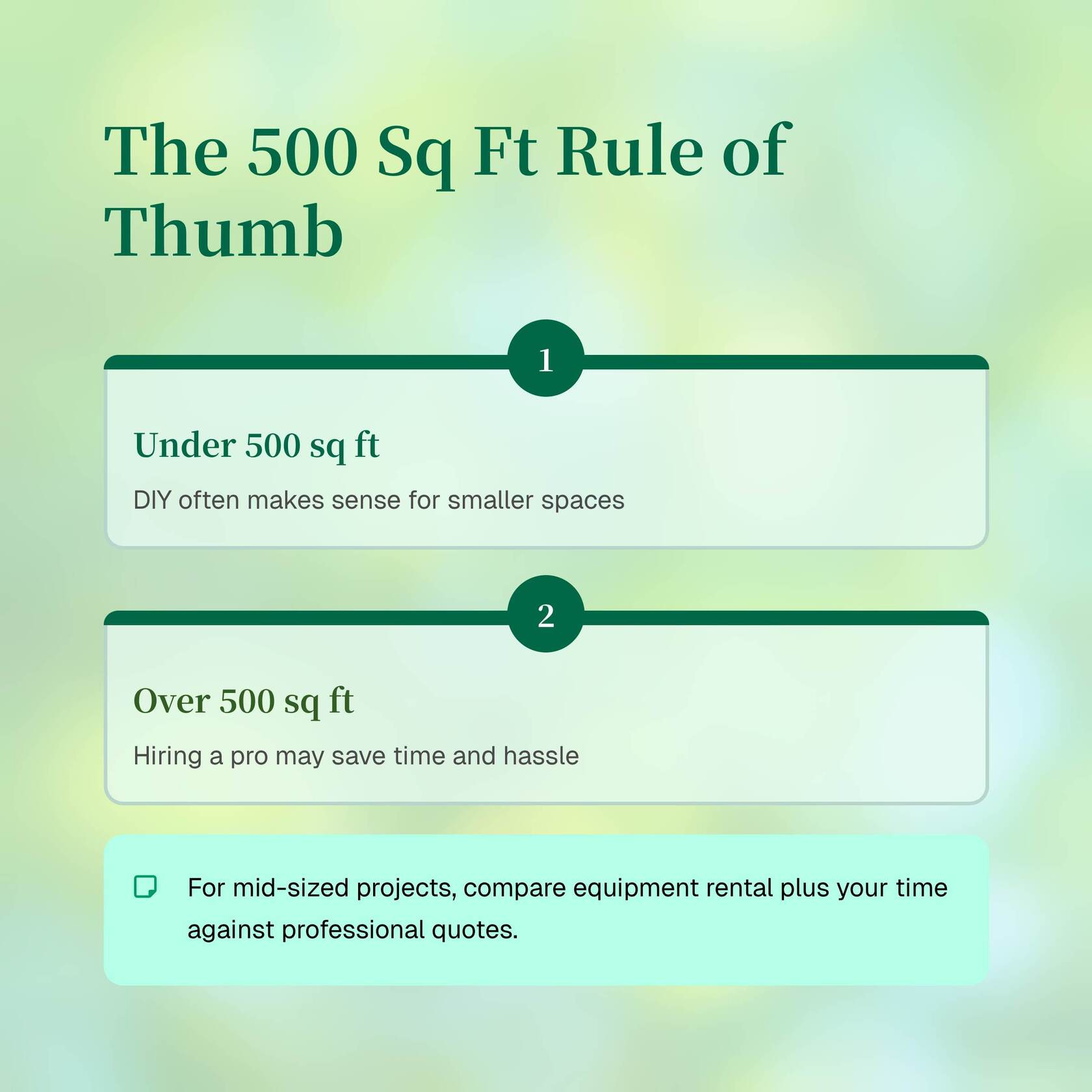
For small areas like garden beds or narrow strips, DIY removal makes financial sense. A weekend of shovel work or a day with a rented sod cutter can save hundreds of dollars.
DIY works best when:
The area is under 500 square feet
You have somewhere to dispose of the sod (composting works)
You're physically able to handle the labor
You're not on a tight deadline
Hiring a professional makes more sense when:
The area exceeds 500 square feet
You need the job done quickly
Your yard has obstacles or difficult access
You don't have disposal options
For mid-sized projects, the math gets closer. Renting equipment plus your time investment may approach professional pricing, especially if you factor in disposal logistics.
How to Save Money on Grass Removal
Get Multiple Quotes
Pricing varies significantly between providers. Getting three to five quotes helps you understand the local market and find competitive rates.
Online platforms make this easier than calling around. If you want more options, you can get more quotes in your GreenPal account. get more quotes in your GreenPal account. OnGreenPal, you can submit your project details and receive multiple bids from local lawn care professionals, often within minutes. Comparing quotes side-by-side lets you evaluate both price and provider reviews before deciding.
Do Small Areas Yourself
Even if you hire out the bulk of the work, removing grass from small garden beds or edges yourself can trim the total cost.
Check for Municipal Rebates
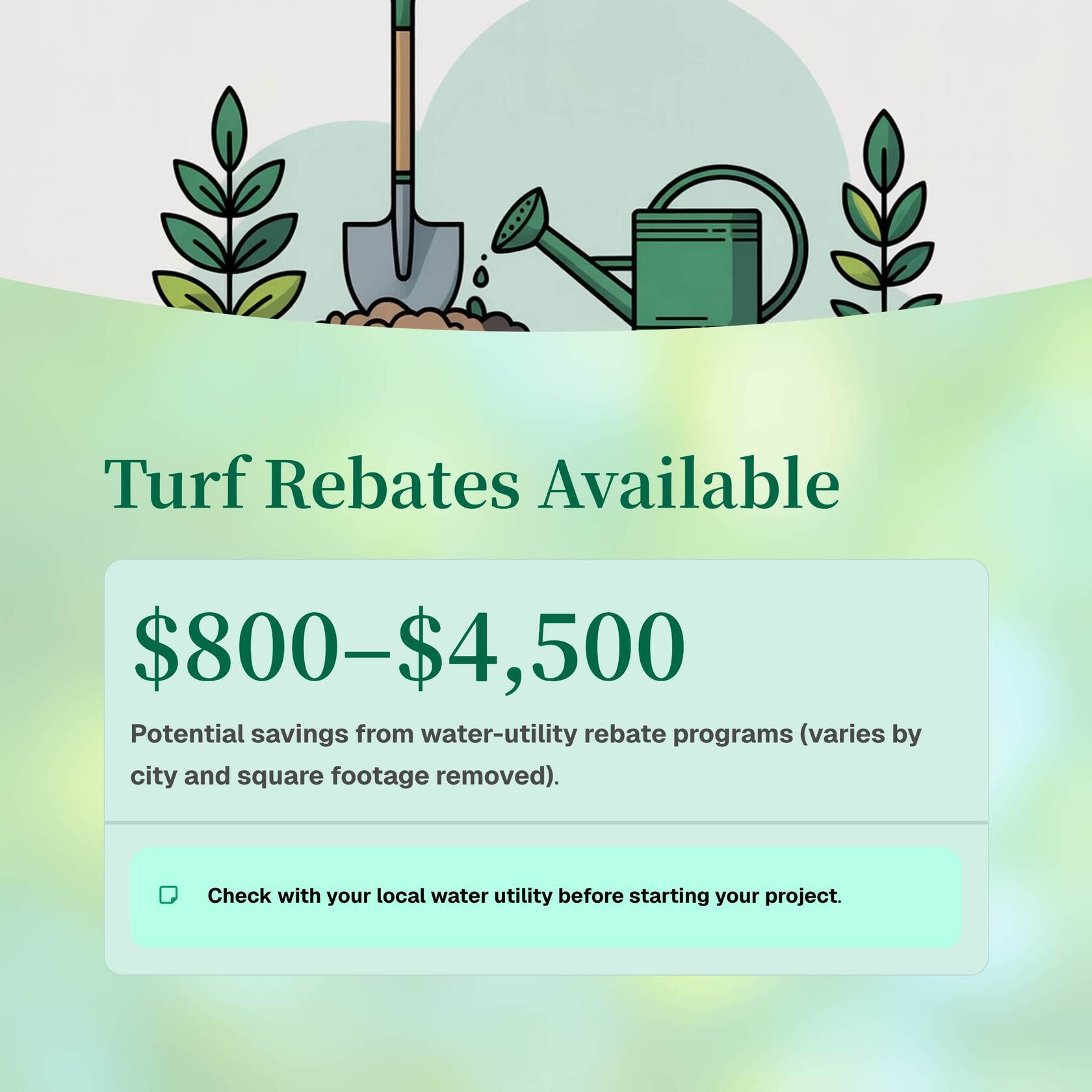
Many cities offer rebates for turf removal as part of water conservation programs. These can range from $800 to $4,500, depending on your location and the square footage removed. Check with your local water utility before starting your project.
Time Your Project Strategically
Landscapers are busiest in spring and early summer. Scheduling grass removal during slower periods (late fall or winter in mild climates) may get you better rates.
What Comes After Grass Removal?
If you're planning to install new sod after removal, budget for that separately. Replacing old grass with new sod typically costs $1.50 to $4.00 per square foot, including the sod, soil prep, and installation.
Alternative ground covers like mulch, gravel, or drought-tolerant plants have their own cost ranges. Factor in your full landscaping plan when budgeting for grass removal.
Get Started on Your Lawn Project
Grass removal is often the first step toward a better outdoor space. Whether you're starting fresh with new sod, converting to low-water landscaping, or preparing for a patio installation, understanding the costs helps you plan confidently.
Hi, I'm Gene Caballero and I'm the co-founder of GreenPal. At GreenPal, we're helping hundreds of thousands of Americans solve one of the trickiest problems: a reliable, fast, and affordable way to get lawncare taken care of. On behalf of GreenPal, I've been featured in the Indianapolis Star, the Sacramento Bee, Entrepreneur, Inc.com, and dozens more. Please feel free to say hi on or connect with me on LinkedIn.
Follow me on:
About The Author
Gene Caballero
Hi, I'm Gene Caballero and I'm the co-founder of GreenPal. At GreenPal, we're helping hundreds of thousands of Americans solve one of the trickiest problems: a reliable, fast, and affordable way to get lawncare taken care of. On behalf of GreenPal, I've been featured in the Indianapolis Star, the Sacramento Bee, Entrepreneur, Inc.com, and dozens more. Please feel free to say hi on or connect with me on LinkedIn.